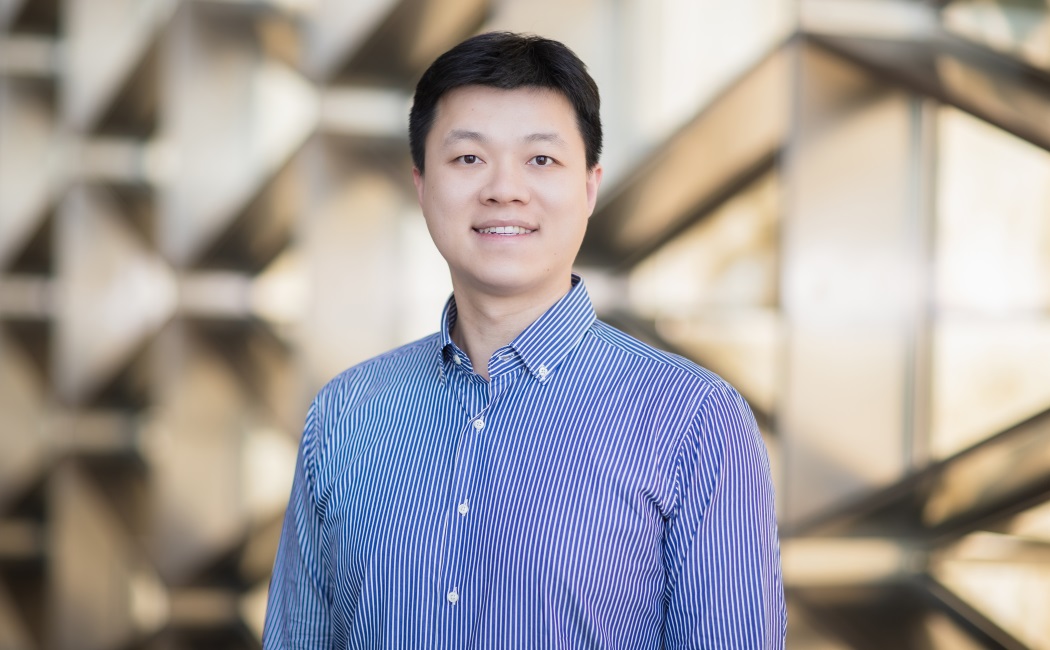
KAUST Professor Yanda Meng advancing AI frontier in healthcare
01 December, 2025
Biomedical breakthroughs are reshaping what is possible in precision medicine. Professor Yanda Meng joins King Abdullah University of Science and Technology (KAUST) at a pivotal juncture for the mission-driven university, Saudi Arabia, and the world — as artificial intelligence accelerates the next frontier in medical science.
“At KAUST, my research will focus on advancing AI for healthcare and the life sciences,” said Meng, the newly appointed assistant professor of bioengineering in the Biological and Environmental Science and Engineering (BESE) Division. “This aligns with BESE’s priorities by contributing innovative computational approaches that support fundamental biological understanding and real-world biomedical impact.”
With an academic journey spanning China and the U.K., Meng earned a software engineering degree from Capital Normal University in 2017 and a master’s in computing from the University of Leeds in 2018. At the University of Liverpool, he completed a Ph.D. in eye and vision science in 2022 and continued as a postdoctoral fellow in 2024.
Driven by a focus on foundation models for medicine and on how large-scale AI systems can be adapted and personalized for clinical use while ensuring fairness, robustness, and interpretability, Meng has developed a strong publication record that includes papers in Medical Image Analysis and IEEE Transactions on Medical Imaging.
“These experiences shaped an approach centered on rigorous machine learning, interdisciplinarity, and designing AI systems that work reliably in real-world healthcare settings,” Meng said, adding that building adaptive, trustworthy AI that learns from incomplete or multimodal biomedical data especially excites him. “Ultimately, I hope my work leads to more equitable, accurate, and clinically deployable decision-support tools that improve patient outcomes.”
Meng believes impactful science emerges when methodological innovation meets real clinical needs, and he sees KAUST’s interdisciplinary environment as central to his ability to tackle complex biomedical challenges. Partnering with researchers across divisions and with clinical and industry partners in Saudi Arabia and beyond will be a key part of his work. He said the Kingdom’s rapid scientific and technological growth offers unique research opportunities.
“It is an honor to join KAUST and contribute to such a dynamic and ambitious scientific community. I hope to build a research program that advances AI in medical imaging while encouraging meaningful collaborations across the university and clinical sectors in Saudi Arabia.”
He added: “I’m excited to contribute to this momentum by developing scalable biomedical AI solutions and helping build the region’s future research capacity.”
أستاذ كاوست "ياندا منغ" يساهم في تعزيز منظومة الرعاية الصحية في المملكة باستخدام الذكاء الاصطناعي
تساهم الاكتشافات الطبية الحيوية في إعادة تشكيل إمكانيات الطب الدقيق. وفي هذا السياق، يأتي انضمام البروفيسور ياندا منغ إلى جامعة الملك عبدالله للعلوم والتقنية (كاوست) في مرحلة محورية للجامعة، وللمملكة، والعالم، حيث يشهد الذكاء الاصطناعي زخماً كبيرًا مدفوعاً بإمكاناته الواعدة في تسريع ملامح الجيل القادم من العلوم الطبية.
وقال منغ، الأستاذ المساعد الجديد في مجال الهندسة الحيوية ضمن قسم العلوم والهندسة البيولوجية والبيئية في كاوست "سيركز بحثي في كاوست على دفع حدود الذكاء الاصطناعي في مجالات الرعاية الصحية وعلوم الحياة، بما ينسجم مع أولويات القسم من خلال تطوير منهجيات حوسبة مبتكرة تُسهم في تعزيز الفهم البيولوجي الأساسي وتحقيق أثرٍ طبي حقيقي."
ويمتد المسار الأكاديمي لمنغ بين الصين والمملكة المتحدة؛ حيث حصل على درجة البكالوريوس في هندسة البرمجيات من جامعة كابيتال نورمال عام 2017، ثم درجة الماجستير في الحوسبة من جامعة ليدز عام 2018. وفي جامعة ليفربول، أكمل درجة الدكتوراه في علوم العيون والبصر عام 2022، ثم واصل بحثه فيها كزميل ما بعد الدكتوراه حتى عام 2024.
ويتركز اهتمام منغ البحثي على النماذج الأساسية للطب، وعلى كيفية تكييف أنظمة الذكاء الاصطناعي واسعة النطاق وتخصيصها للاستخدامات الطبية السريرية، مع ضمان العدالة والكفاءة وقابلية التفسير. وقد أثمرت هذه الجهود عن سجل بحثي قوي يشمل منشورات في مجلتي (Medical Image Analysis) و (IEEE Transactions on Medical Imaging).
وأوضح منغ أن هذه التجارب العلمية ساعدته على تشكيل منهجية تقوم على التعلم الآلي الدقيق، والتداخل بين التخصصات، وتصميم أنظمة ذكاء اصطناعي تعمل بشكل موثوق في البيئات الطبية الواقعية، مضيفاً أن بناء نظم ذكاء اصطناعي تكيفية وموثوقة وقادرة على التعلم من البيانات الطبية الحيوية غير المكتملة أو متعددة الوسائط يمثل محور شغفه البحثي. وقال "آمل أن تثمر هذه الأبحاث في تطوير أدوات دعم قرار سريري أكثر إنصافًا ودقة وقابلية للتطبيق، بما ينعكس إيجاباً على صحة المرضى".
ويرى منغ أن العلم المؤثر يولد عندما تلتقي الابتكارات المنهجية بالاحتياجات الطبية الفعلية، ويعتبر بيئة كاوست البحثية متعددة التخصصات عنصراً أساسياً لتمكينه من معالجة تحديات الطب الحيوي المعقدة. وسيشكل التعاون مع الباحثين عبر الأقسام، ومع الشركاء في القطاعين الطبي والصناعي داخل المملكة وخارجها، محوراً رئيسياً في أعماله القادمة. كما يؤكد أن النمو العلمي والتقني المتسارع في المملكة يتيح فرصاً بحثية فريدة.
وقال "يشرفني الانضمام إلى كاوست، والمساهمة في هذا المجتمع العلمي الحيوي والطموح. أتطلع إلى بناء برنامج بحثي يُسهم في تطوير تطبيقات الذكاء الاصطناعي في التصوير الطبي، مع تعزيز التعاون البنّاء داخل الجامعة والقطاع الطبي في المملكة العربية السعودية." وأضاف "أنا متحمس للمشاركة في هذه النهضة عبر تطوير حلول ذكاء اصطناعي طبية قابلة للتوسّع، والمساهمة في بناء القدرات البحثية المستقبلية للمنطقة".