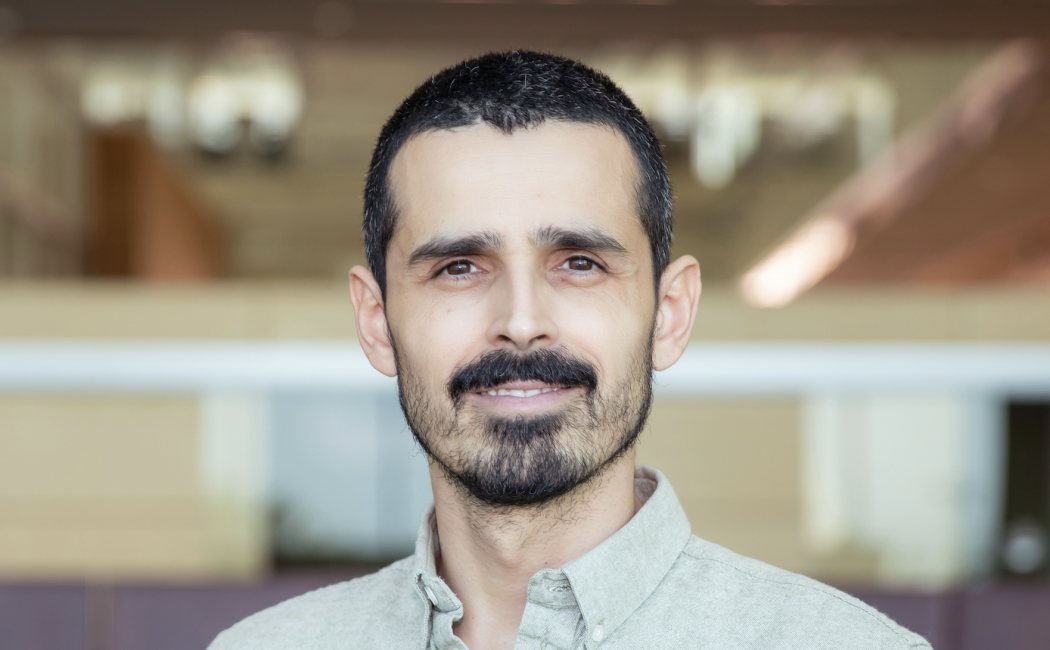
KAUST’s Professor Renato Morais aims to uncover the functioning of Red Sea coral reefs
02 March, 2026
Closing the fundamental gap in understanding what powers coral reef productivity is critical for Saudi Arabia and the world, as it informs marine conservation, fisheries, tourism, and environmental policies.
At King Abdullah University of Science and Technology (KAUST), Professor Renato Morais will examine how ocean currents bringing nutrients and plankton from the open ocean shape the health and productivity of reefs in the Red Sea.
“For decades, researchers have assumed that internal production — from seaweed and corals growing on reefs — is the dominant driving force of reef productivity, but recent research shows that ocean inputs in the form of plankton are crucial for thriving, healthy reefs,” said Morais, the newly appointed assistant professor of marine science in the Biological and Environmental Science and Engineering (BESE) Division.
“The Red Sea is the perfect natural laboratory to further quantify and better understand these ocean-reef links — a process that is critical as reefs that receive higher plankton inputs from the open ocean support more productive fish communities, with expected cascading effects for ecosystem dynamics, fisheries, and tourism.”
KAUST’s and the Kingdom’s steadfast commitment to leading the world in scientific discovery and technology development is deeply encouraging for the marine biologist.
“I am excited by the support I have already been given, which provides the tranquility to keep pushing the boundaries of my research toward interesting and promising ideas, while reaching for a new focus on real-world implications for Saudi Arabia and the world.”
Morais’s background includes 18 years of studying reef ecology across the globe, from marginal systems in the mid-Atlantic islands, West Africa, and the Brazilian coast to classical coral reef regions including the Great Barrier Reef, Indonesia, the Red Sea, and the Indian and Pacific oceans. “The varied research experiences I had shaped my approach to science to be highly collaborative, globalized, and exploratory.”
After early studies in biology and ecology in Brazil, he completed a Ph.D. (2020) and his first postdoc (2021) at James Cook University in Australia, followed in 2022 by a Branco Weiss Fellowship — Society in Science for an independent, five-year research project at the Centre for Island Research and Environmental Observatory (CRIOBE), a research unit of Paris Sciences and Letters University in France. Morais joined KAUST at the end of January 2026.
“I hope to work collaboratively and constructively with the KAUST community, and to contribute solidly to KAUST’s continued growth as a global knowledge hub,” he said, adding that interdisciplinary engagement is key to ambitious research and that he has built a dynamic, global network throughout his career. “I plan not only to leverage this network for my research at KAUST, but to continue expanding it within KAUST’s research domains and elsewhere.”
Morais also aims to strengthen BESE’s global reputation while advancing locally applied research with real impact. At KAUST, his group will generate critical data to identify priority areas for protection, supporting the planning and implementation of effective marine conservation and restoration across the Red Sea.
Drawing on extensive field intuition, Morais said he is building models that show how reef ecosystems function and change, addressing core scientific questions and future trajectories.
“In this role, I will conduct research in tropical marine systems using a data-heavy approach that combines field work with statistical and mechanistic modeling. I will also teach courses stemming from my expertise on the interface between concept, data, and scientific method applied to the ecology of marine systems.”
As Saudi Arabia advances its knowledge- and technology-driven vision, Morais sees well-managed natural systems such as the Red Sea’s coral reefs as vital. With constructive and collaborative partnership, he added, his research at KAUST will deepen understanding of coral reef dynamics to support long-term management, protection, and global relevance. “Starting my research group at KAUST is an extremely exciting milestone, and I hope it will contribute to future initiatives to manage resources and boost reef-derived seafood production in the kingdom”
يهدف البروفيسور ريناتو مورايس من كاوست إلى الكشف عن كيفية عمل الشعاب المرجانية في البحر الأحمر
إن سد الفجوة الأساسية في فهم العوامل التي تؤثر على إنتاجية الشعاب المرجانية أمر بالغ الأهمية بالنسبة للمملكة العربية السعودية والعالم، حيث إنه يوفر معلومات مهمة في مجال الحفاظ على البيئة البحرية ومصايد الأسماك والسياحة والسياسات البيئية.
في جامعة الملك عبد الله للعلوم والتقنية (كاوست)، سيدرس البروفيسور ريناتو مورايس كيف تؤثر تيارات المحيط التي تجلب المغذيات والعوالق من المحيطات المفتوحة على صحة وإنتاجية الشعاب المرجانية في البحر الأحمر.
قال البروفيسور موريس، الأستاذ المساعد الجديد في تخصص علوم البحار في قسم العلوم والهندسة البيولوجية والبيئية "لعقود طويلة، افترض الباحثون أن الإنتاج الداخلي - من الأعشاب البحرية والمرجان التي تنمو على الشعاب - هو القوة الدافعة الرئيسية لإنتاجية الشعاب المرجانية، ولكن الأبحاث الحديثة تظهر أن مدخلات المحيط في شكل الكائنات الدقيقة والعوالق البحرية هي عامل حاسم في ازدهار الشعاب المرجانية وصحتها. والبحر الأحمر هو المختبر الطبيعي المثالي لمواصلة قياس وفهم هذه الروابط بين المحيط والشعاب المرجانية بشكل أفضل - وهي عملية بالغة الأهمية لأن الشعاب المرجانية التي تتلقى مدخلات أعلى من العوالق من المحيطات المفتوحة تدعم مجتمعات سمكية أكثر إنتاجية، مع تأثيرات متتالية متوقعة على ديناميكيات النظام البيئي ومصايد الأسماك والسياحة".
وأكد موريس أن التزام المملكة وكاوست الثابت بريادة العالم في الاكتشافات العلمية وتطوير التقنية أمر مشجع للغاية بالنسبة لعالم الأحياء البحرية، يقول "أنا متحمس للدعم الذي تلقيته بالفعل، والذي يمنحني الدافع لمواصلة توسيع حدود أبحاثي نحو أفكار مثيرة للاهتمام وواعدة، مع التركيز على الآثار الواقعية على المملكة والعالم".
تشمل خبرة مورايس 18 عامًا قضاها في دراسة بيئة الشعاب المرجانية في جميع أنحاء العالم، من الأنظمة المرجانية الهامشية في جزر وسط المحيط الأطلسي وغرب إفريقيا والساحل البرازيلي إلى مناطق الشعاب المرجانية التقليدية بما في ذلك الحاجز المرجاني العظيم وإندونيسيا، والبحر الأحمر، والمحيطين الهندي والهادئ. وأضاف موريس "شكلت خبراتي البحثية المتنوعة نهجي العلمي ليكون تعاونيًا وعالميًا واستكشافيًا للغاية".
بعد دراساته المبكرة في علم الأحياء وعلم البيئة في البرازيل، حصل على درجة الدكتوراه (2020) وأكمل أول درجة ما بعد الدكتوراه (2021) في جامعة جيمس كوك في أستراليا، تلاها في عام 2022 زمالة برانكو فايس في العلوم لمشروع بحثي مستقل مدته خمس سنوات في مركز أبحاث الجزر والمرصد البيئي (CRIOBE)، وهو وحدة بحثية تابعة لجامعة باريس للعلوم والآداب في فرنسا. وانضم مورايس إلى كاوست في نهاية يناير 2026.
ويأمل مورس أن يعمل بشكل متعاون ومثمر مع مجتمع كاوست، وأن يساهم بشكل قوي في استمرار نمو الجامعة كمركز عالمي للمعرفة، مضيفًا أن المشاركة متعددة التخصصات هي مفتاح البحث الطموح، وأنه بنى شبكة عالمية ديناميكية طوال مسيرته المهنية ستدعم أبحاثه القادمة في كاوست، وقال "أخطط ليس فقط للاستفادة من هذه الشبكة في أبحاثي في كاوست، بل وأيضًا لمواصلة توسيعها داخل مجالات أبحاث كاوست وخارجها".
يهدف مورايس أيضًا إلى تعزيز السمعة العالمية لقسم العلوم والهندسة البيولوجية والبيئية في كاوست، مع تطوير الأبحاث التطبيقية المحلية ذات الأثر الحقيقي. وستقوم مجموعته بإنتاج بيانات مهمة لتحديد المناطق ذات الأولوية للحماية، ودعم تخطيط وتنفيذ الحفاظ على البيئة البحرية واستعادتها بشكل فعال في جميع أنحاء البحر الأحمر.
واستنادًا إلى حدسه الميداني الواسع، قال مورايس إنه يعمل على بناء نماذج توضح كيفية عمل وتغير النظم البيئية للشعاب المرجانية، مع معالجة الأسئلة العلمية الأساسية والمسارات المستقبلية، يقول "في هذا الدور، سأجري أبحاثًا في النظم البحرية الاستوائية باستخدام نهج يعتمد على البيانات ويجمع بين العمل الميداني والنمذجة الإحصائية والميكانيكية. سأقوم أيضًا بتدريس مقررات دراسية مستمدة من خبرتي في التفاعل بين المفاهيم والبيانات والأساليب العلمية المطبقة على بيئة النظم البحرية".
مع تقدم المملكة العربية السعودية في رؤيتها القائمة على المعرفة والتقنية، يرى مورايس أن النظم البيئية الطبيعية المدارة جيدًا، مثل الشعاب المرجانية في البحر الأحمر، لها أهمية حيوية. وأضاف أن شراكته البناءة والتعاونية في كاوست ستعمق فهم ديناميكيات الشعاب المرجانية لدعم إدارتها وحمايتها وأهميتها العالمية على المدى الطويل، وأكد أن البدء في تشكيل مجموعته البحثية في كاوست يعد خطوة مهمة ومثيرة للغاية في مسيرته العلمية والبحثية، وقال " آمل أن نساهم في المبادرات المستقبلية لإدارة الموارد وتعزيز إنتاج الأغذية البحرية المستمدة من الشعاب المرجانية في المملكة العربية السعودية".