
Feb 2026
Abstract:
Matching donor and patients for antigens on red cells, platelets and organs is essential for safe transfusion and transplantation. The relation of genotype to phenotypes is now well established for these antigens. We have developed an array-based genotyping solution for over 1000 blood group types covering the clinically relevant blood groups and over 30000 HLA types. We used novel software and scientific review to convert array results to clinically validated reports of blood, platelet and white cell types. These methods have been applied to the UK population of haemoglobinopathy patients and large donor populations. We have identified clinically actionable blood group types in patients and have developed matching algorithms to allow maximum benefit to patients and optimal use of the typed blood stock. We will shortly trial these methods to allow use of extended-matched blood cells at scale. Large scale genotyping also yields many additional benefits for the blood supply and donor health.
Beyond, red cell types other antigens are highly significant in transfusion and transplantation. Red cell units can stimulate anti-HLA antibodies that may provoke rejection of renal transplants. We have 100,000 donors typed for their HLA type. We have shown the benefit and feasibility of providing HLA-selected red blood for wait list and renal transplant patients in a pilot study and are now rolling out these products nationally.
Finally, we have examined the role of genetic traits in variation of blood cell parameters. We have identified simple genotypes that control the expression of the Duffy Blood Group antigen and also the peripheral blood neutrophil count. These relationships are consistent in international populations including Saudi Arabia. We propose new reference ranges for neutrophil counts in Duffy (a-b-) individuals that could be implemented in all laboratories around the world to benefit patients,
In summary, widely applicable high-throughput genotyping will provide many opportunities to benefit patient care in transfusion medicine and haematology.
Bio:
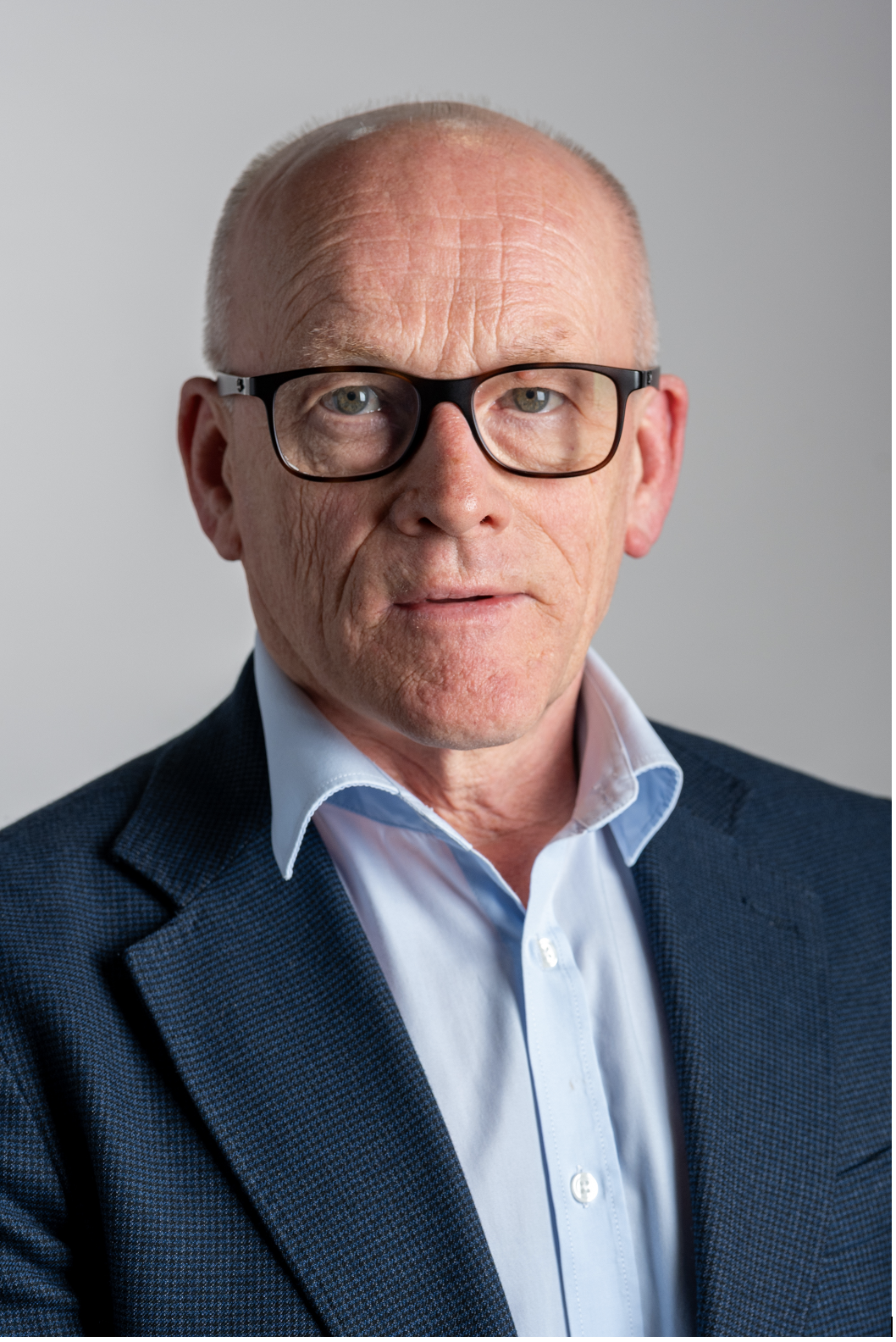
Prof David Roberts studied Biochemistry at Cambridge and Medicine at Liverpool University. He trained in adult medicine and haematology before undertaking a DPhil at the Weatherall Institute of Molecular Medicine at the University of Oxford. His work on malaria biology led to a Wellcome Trust Senior Clinical Fellowship and a Howard Hughes International Fellowship. He subsequently established a research group in the Blood Service in Oxford. He studied erythropoiesis and undertook large-scale trial in blood donors before becoming a Medical Director in the Blood Service. He was the clinical lead for convalescent plasma during COVID and is now Medical Director for Pathology where he is the clinical lead for the Genomics Programme.