
Mar 2026
Abstract:
Corneal confocal microscopy is a non-invasive ophthalmic imaging modality, which was initially used for the diagnosis and management of corneal diseases. However, over the last
20 years we have pioneered it’s use as a rapid, non-invasive, reiterative, cost-effective
imaging biomarker for neurodegeneration in peripheral and central neurodegenerative diseases. A robust body of evidence shows that corneal confocal microscopy is a reliable and reproducible method to quantify corneal nerve morphology. Changes in corneal nerve morphology precede or relate to clinical manifestations of peripheral and central neurodegenerative conditions. Moreover, in clinical intervention trials, corneal nerve regeneration occurs early and predicts improvements in symptoms and signs. The application of AI based algorithms has enabled rapid automated quantification of neurodegeneration and differentiation of different peripheral and central neurodegenerative diseases. The case for corneal confocal microscopy is sufficiently compelling to argue for its inclusion as a Food and Drug Administration endpoint in clinical trials of peripheral and central neurodegenerative diseases.
Bio:
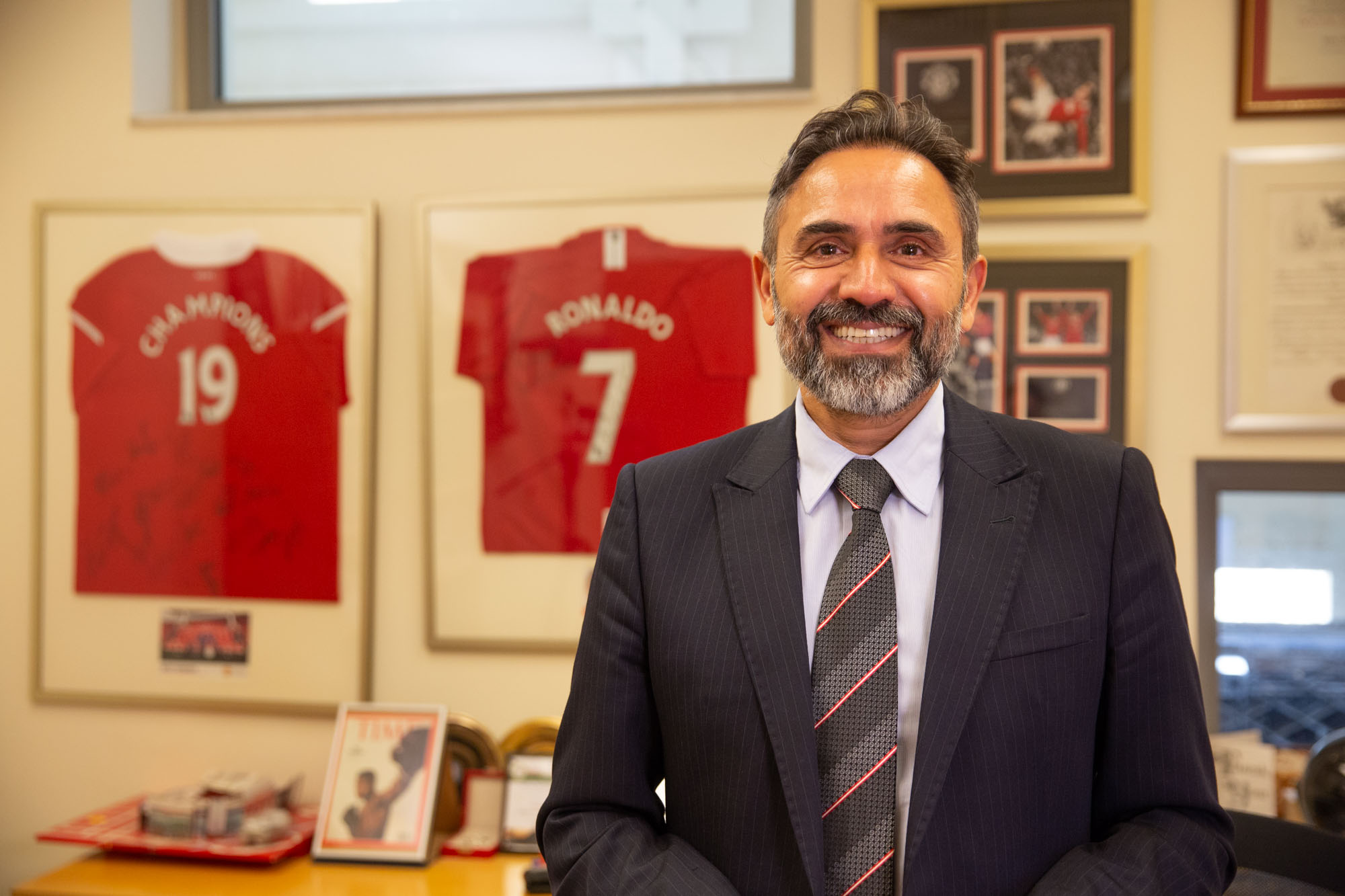
Professor Rayaz A. Malik graduated in Medicine from the University of Aberdeen in 1991. He went on to obtain Membership of the Royal College of Physicians (MRCP), England, in 1996, followed by a PhD from the University of Manchester in 1997. In recognition of his distinguished contributions to medicine, he was elected Fellow of the Royal College of Physicians (FRCP), England, in 2007.
He served as Professor of Medicine and Consultant Physician at the University of Manchester and Central Manchester Teaching Hospitals from 2008 to 2014. In 2014, he was appointed Professor of Medicine at Weill Cornell Medicine–Qatar, a position he continues to hold.
Professor Malik is internationally recognised for his research on diabetes complications, particularly diabetic and peripheral neuropathy. In 2022, Expertscape ranked him as the second most influential researcher in the UK and seventh worldwide in the field of diabetes complications. From 2023 to 2025, Research.com ranked him as the number one researcher in Medicine in Qatar and placed him among the top 0.1% of researchers globally.
In 2024, ScholarGPS ranked him third worldwide in diabetic neuropathy and second in peripheral neuropathy. In 2025, he was ranked third globally in both diabetic neuropathy and peripheral neuropathy, based on an outstanding body of work comprising 591 peer-reviewed publications, an h-index of 103, and 43,969 citations at the time of assessment.
His bibliometric indicators further reflect his global impact: according to Web of Science, he has an h-index of 103 with 26,307 citations, while Google Scholar reports an h-index of 107, an i10-index of 454, and 50,295 citations.