
Apr 2026
Abstract:
Drylands are often perceived as biologically poor and functionally limited systems. However, emerging evidence from global-scale studies challenges this view. In this seminar, I will present key findings from our research program on the diversity and functioning of dryland vegetation across continents. Our results reveal that dryland plant communities are far more diverse and compositionally unique than traditionally assumed, harboring distinct assemblages shaped by strong environmental gradients and historical contingencies. Beyond their diversity, these communities play a critical role in sustaining ecosystem functioning and services at regional and global scales. From maintaining soil stability and nutrient cycling to regulating carbon dynamics and supporting multifunctionality, dryland vegetation is fundamental to the resilience of these ecosystems under global change.
Together, these findings call for a shift in how we perceive, study, and manage drylands—from barren landscapes to dynamic systems rich in biodiversity and essential ecosystem functions.
Bio:
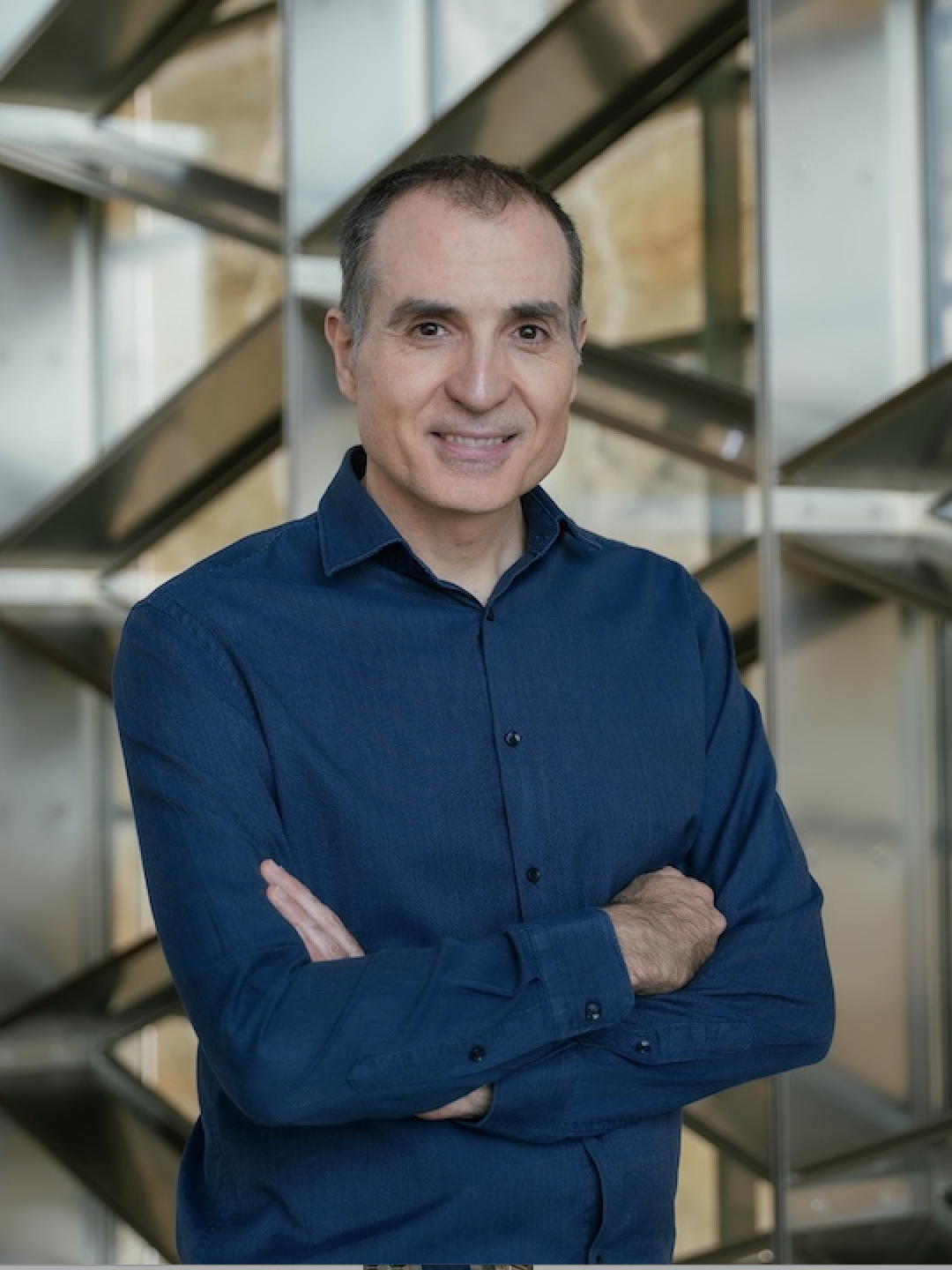
Fernando T. Maestre is a Professor of Ecology at King Abdullah University of Science and Technology (KAUST), where he leads the Dryland Ecology and Global Change Lab. His research focuses on understanding the ecology of drylands—how biodiversity, soil, vegetation, and microbial communities function under extreme aridity—and how global-change drivers such as climate change, land degradation, and altered land use affect their resilience and sustainability. A key hallmark of Fernando’s career has been his pioneering work establishing and coordinating global research networks dedicated to understanding dryland ecosystems and their responses to global change. These collaborative efforts—spanning all continents—have produced transformative insights into the functioning, vulnerability, and resilience of drylands, while building research capacity worldwide and leading to numerous publications in prestigious academic journals. Before joining KAUST, Fernando held academic
positions in Spain and the United States, where he developed a globally recognized research program on dryland ecology, microbial communities, and nature-based solutions. He is also deeply committed to capacity building and mentoring. At KAUST, he leads initiatives to train the next generation of ecologists and environmental scientists in Saudi Arabia and the Middle East, fostering an inclusive, collaborative, and interdisciplinary research environment. Fernando’s work has been widely recognized through multiple awards and distinctions. He has also held leadership roles in scientific journals and collaborates with researchers from more than 30 countries across all continents.