
Jun 2026
PhD Advisor: Prof. Alexandre Soares Rosado
Abstract:
Deep-sea hydrothermal vents are among the most extreme and least explored ecosystems on Earth, supporting diverse microbial communities that drive key biogeochemical processes. This dissertation investigates the microbial diversity, metabolic potential, and biosynthetic capacity of the recently discovered Hatiba Mons hydrothermal vent field in the Red Sea using genome-resolved metagenomics, biosynthetic gene cluster analysis, and comparative genomics of cultivated isolates. The study reveals a diverse and largely unexplored microbiome shaped by iron-rich hydrothermal conditions, identifies metabolic strategies associated with adaptation to this environment, and uncovers extensive genomic and biosynthetic novelty across both cultivated and uncultivated microorganisms. Together, these findings expand our understanding of microbial life in low-temperature iron-rich hydrothermal systems and provide new insights into microbial adaptation, evolution, and biosynthetic potential in the deep sea.
Bio:
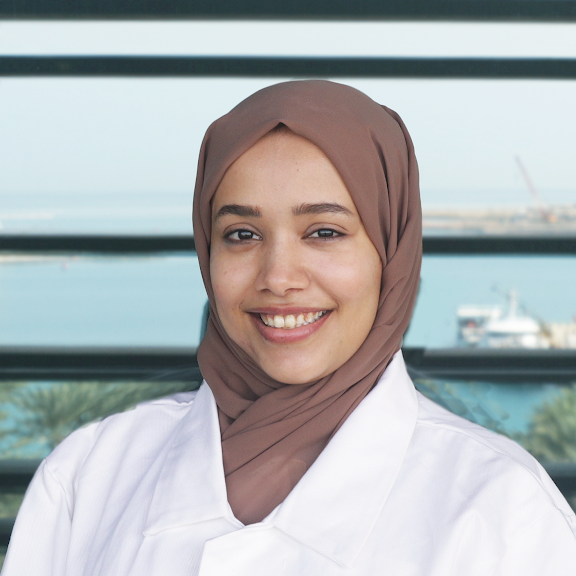
Sharifah Altalhi is a Ph.D. candidate in the Bioscience Program at King Abdullah University of Science and Technology (KAUST). Her research focuses on microbial diversity, function, adaptation, and biosynthetic potential in deep-sea hydrothermal ecosystems. She has contributed to the discovery and characterization of the Hatiba Mons hydrothermal vent field and has participated in multiple deep-sea research expeditions. Her work aims to advance our understanding of microbial adaptation, evolution, and ecological function in extreme environments.