
Sep 2026
Abstract:
Perennial crops present distinct challenges for innovation due to long generation times, complex genetics, and the need to balance biological, economic, and sustainability objectives. This presentation uses the New Zealand kiwifruit breeding programme as a case study of how modern breeding systems are being redesigned to respond to accelerating global demand, climate change, and biosecurity risk. It outlines a strategic framework organised around breeding more, better, and faster, integrating advances in germplasm management, genomic selection, phenotyping, data-driven decision-making, and pre-breeding. We focus on improving early-stage selection, increasing the value of phenotypic data, and compressing breeding cycles using emerging technologies while managing regulatory and commercial constraints. The talk illustrates how combining biological insight with digital infrastructure and structured prioritisation can substantially increase genetic gain, resilience, and long-term value in a perennial crop system.
Bio:
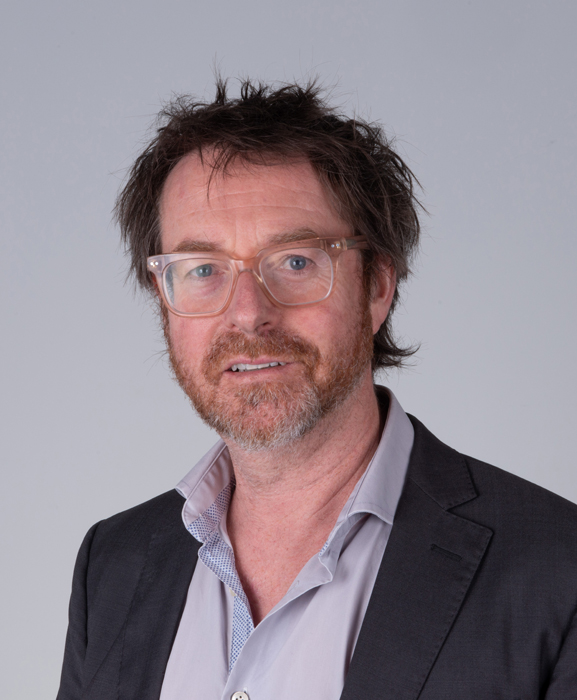
Roger Hellens is a life scientist with over 35 years of experience leading and conducting industry-oriented research in molecular biology, bioinformatics, genetics, cell biology and breeding. Roger joined the Kiwifruit Breeding Centre (KBC) as Chief Technology Officer and leads the adaptation, adoption, and implementation of tools and technologies to accelerate the discovery of new kiwifruit varieties. He is also the co-founder of genXtraits, a California-based startup that has developed methods to craft crops for a changing climate and healthier living. From 2019 to 2022, Roger was the General Manager – Forest to Timber Products at Scion, the New Zealand Institute for Forestry, where he helped establish the New Zealand Timber Design Centre. In 2014, Roger joined the Queensland University of Technology (QUT) and the Centre for Tropical Crops and Biocommodities. He held several leadership positions as an Agricultural Biotechnology Professor and the Institute for Future Environments (IFE) Deputy Executive Director at QUT. He also helped establish Australia’s National Tree Genomics Program. From 2000 to 2014, Roger worked for the New Zealand government research institute Plant & Food Research (formerly HortResearch), where he held several senior roles, including leading the institute’s 80-person genomics research program and the kiwifruit breeding research program. Roger’s research interests at Plant & Food Research included developing red-fleshed apple and kiwifruit varieties and exploiting Next Generation Sequencing (NGS) techniques. He also maintained a keen interest in post-transcriptional gene regulation, which has become relevant in understanding the role upstream open reading frames (uORF) play in regulating vitamin C. Before moving to New Zealand, Roger worked at the John Innes Centre in Norwich, UK, where he developed the first genetic maps of peas (including his PhD on the molecular basis of Mendel’s white flower phenotype). He also developed the pGreen plant transformation vector and studied gene silencing (RNAi) in petunia. Roger received a PhD in Molecular Genetics from the University of East Anglia in 1995 and a Bachelor of Science from the University of Liverpool in 1989.