
Oct 2026
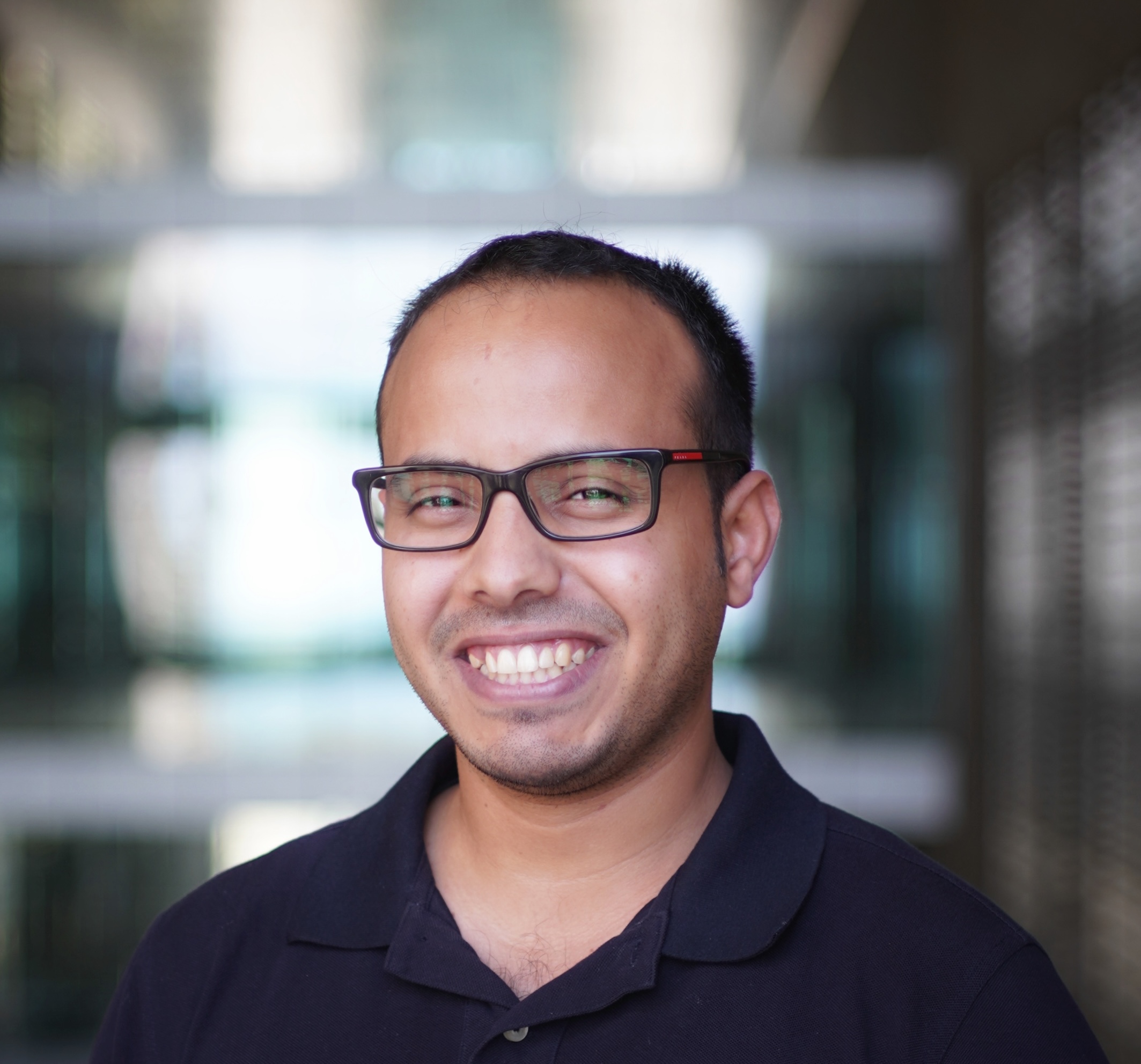
Host: Professor Pierre Magistretti
Abstract:
Aging is the strongest risk factor for Alzheimer’s disease (AD), yet human neuronal models often erase age-associated features during reprogramming or lack three-dimensional organization. Here, we establish induced neuronal spheroids (iSpheroids), a scalable three-dimensional platform generated by direct conversion of primary fibroblasts without pluripotency. iSpheroids generate long-lived, electrophysiologically active neurons from young, unimpaired aged, and sporadic AD donors while preserving donor-specific epigenetic age. Single-nucleus RNA sequencing revealed approximately 96% of cells acquired a neuronal identity and were distributed across multiple neuronal states, including hippocampus-like populations. The platform supports incorporation of astrocytes and microglia and generation from non-human primate fibroblasts. AD iSpheroids spontaneously recapitulated neuronal degeneration, amyloid-β accumulation, progressive Tau pathology, and metabolic dysfunction. Integrated proteomic, metabolomic, and lipidomic profiling distinguished physiological aging from AD and revealed disease-associated metabolic remodeling. Oxaliplatin shifted AD iSpheroids toward oxidative metabolism, whereas a multi-compound screen identified trametinib as a modulator of inflammatory and age-associated programs.
Bio:
Samhan Alsolami’s research focuses on understanding how human aging shapes neuronal function and vulnerability to neurodegenerative disease. His work aims to develop physiologically relevant human models that preserve age-associated features and can be applied at scale to study aging, neurodegeneration, and therapeutic responses. During his doctoral training, he worked on the human cell culture environment, stem cell systems, and embryo models, including blastoids, to investigate early human development. As a postdoctoral fellow in Professor Fred H. Gage’s laboratory at the Salk Institute, he developed iSpheroids, a direct fibroblast-to-neuronal spheroid platform that preserves donor age and enables the study of aging and Alzheimer’s disease across genetically diverse individuals. His research integrates single-cell and bulk transcriptomics, proteomics, metabolomics, lipidomics, epigenetic aging, functional neuronal assays, and therapeutic screening to identify mechanisms of neuronal aging and disease. His ultimate goal is to build scalable, personalized human models that connect aging biology with neurodegeneration and enable the discovery of interventions capable of restoring neuronal function.