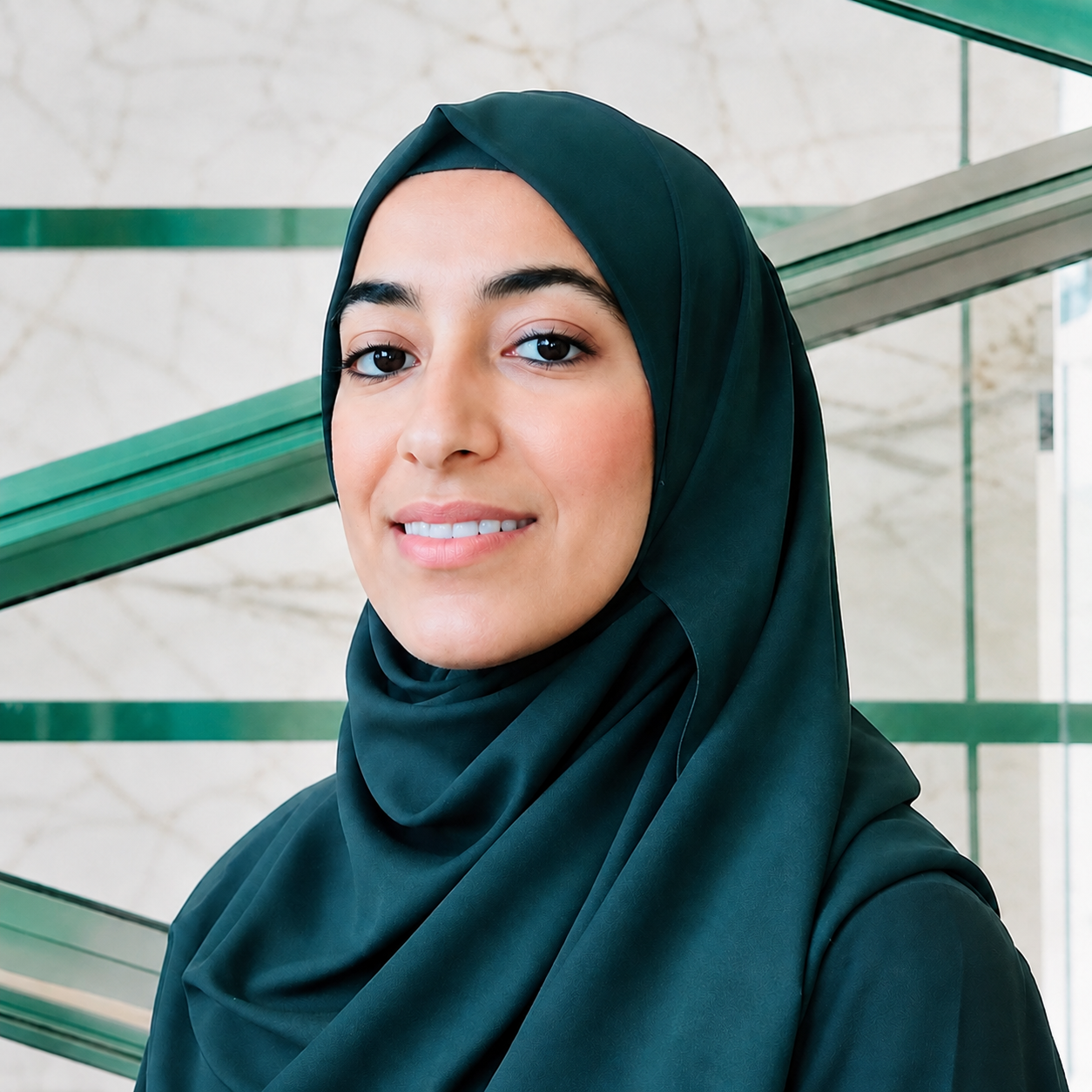
PhD Advisor: Professor Noreddine Ghaffour
Abstract:
Biofouling remains a major challenge in membrane-based desalination, reducing membrane performance while increasing energy consumption and cleaning requirements. This thesis investigates artificial intelligence (AI) and data-driven approaches to improve biofouling characterization and monitoring. Deep-learning models were developed to estimate biofilm thickness from optical coherence tomography (OCT) images and to detect fouling and predict biofilm thickness directly from membrane surface images. A two-stage machine-learning framework was subsequently developed using full-scale seawater reverse osmosis (SWRO) plant data to estimate water-quality and membrane performance indicators relevant to (bio)fouling monitoring, with gradient-boosting approaches demonstrating the strongest overall performance. In addition, a pilot-scale study combined camera-based monitoring with conventional operational measurements to investigate the potential for earlier biofouling detection. Collectively, these studies establish an AI-driven toolbox spanning image-based biofilm characterization and operational performance prediction, providing a foundation for integrated monitoring systems that support earlier biofouling detection and more adaptive membrane operation and cleaning strategies.