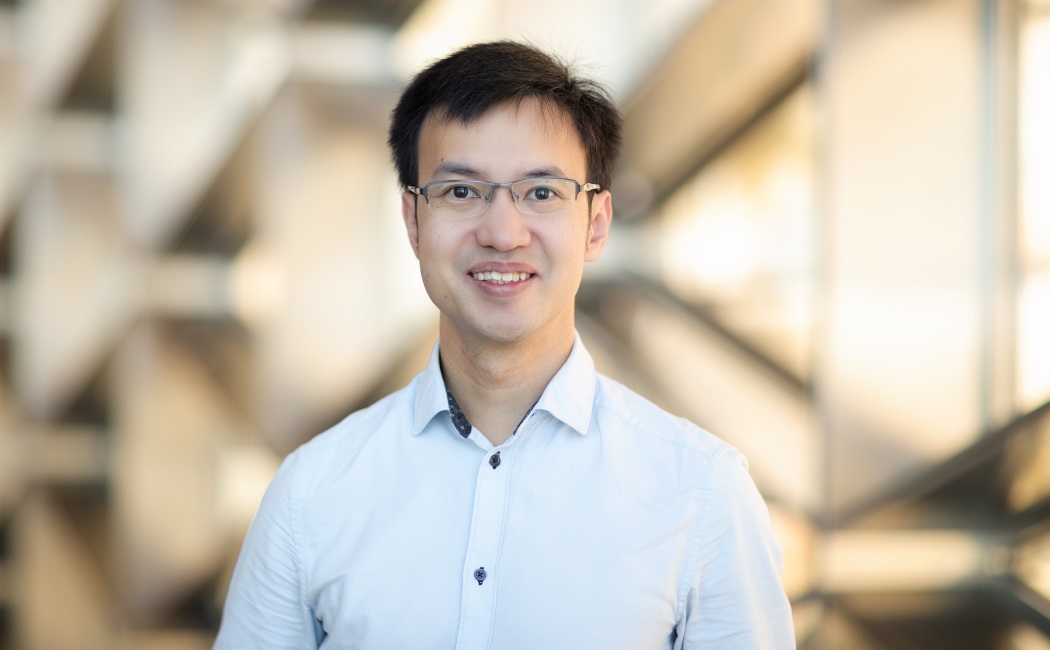
Professor Wayne Yang joins KAUST to advance single-molecule biosensing
08 December, 2025
By developing novel single-molecule methods to study biology at its most fundamental level, Professor Wayne Yang’s work at King Abdullah University of Science and Technology (KAUST) enables faster, more precise disease diagnostics, advances understanding of important biological processes such as cellular organization.
This research supports next-generation biosensing materials that strengthen microbiological research and healthcare innovation across Saudi Arabia and around the world.
“In the long run, I hope these platforms will serve as a bridge connecting students, researchers, and members of society, inspiring a renewed sense of curiosity about how biology works,” said Yang, the newly appointed assistant professor of bioengineering in KAUST’s Biological and Environmental Science and Engineering (BESE) Division. He invents tools to close gaps in understanding biological machinery and to better study and detect diseases.
Currently, Yang’s research focuses on proteins that form biomolecular condensates — structures that organize cellular reactions without membranes.
His laboratory develops innovative, label-free biosensors that draw on physics and nanoscale engineering of materials to investigate these systems with greater accuracy while cultivating new collaborations and creating tools that advance the study of biomolecular condensates and other complex cellular processes.
“I am excited to work with anyone driven by curiosity and a shared problem, whether right here in BESE or with external partners across Saudi Arabia and beyond.”
The development of label-free, single-molecule biosensors is helping reveal how biological systems function from first principles, he added. Designed to study life at its smallest scale, these tools also strengthen disease research and diagnostics. Such interdisciplinary work depends on joint efforts within KAUST and with key stakeholders.
Fortunately, Yang is well prepared for KAUST’s multicultural, collaborative environment. The Singaporean highlighted his international academic journey, which includes a bachelor’s and master’s degree in physics from Canada’s McGill University, a Ph.D. in applied physics from TU Delft in the Netherlands, and postdoctoral research at Switzerland’s École Polytechnique Fédérale de Lausanne, followed by an SNSF Ambizione fellowship that enabled him to establish his own junior group.
Through the process, Yang said he had the great fortune to work with people from diverse nationalities and training backgrounds. “The most exciting breakthroughs happen at the intersection of one or more ‘traditional’ disciplines with people who hail from all nations and backgrounds.”
Since arriving at KAUST, the new BESE faculty member said he has been inspired by the University’s mission-driven focus and the vast potential within the Kingdom still to be realized.
With unique regional challenges in sensor development and many unexplored protein families, organisms, and diseases, Yang believes his team’s work can make a meaningful impact for the Kingdom and the planet. “I am very excited to be here, and my door is always open for impromptu discussions and spontaneous ideas.”
He added: “I approach science much like my colleagues — collaboratively, creatively, and without borders. My research areas and outputs are a reflection of this, and I would like to keep it this way.”
البروفيسور وين يانغ ينضم إلى كاوست لتطوير تقنية الاستشعار الحيوي للجزيء الواحد
من خلال تطوير طرق جديدة لدراسة البيولوجيا على المستوى الأساسي باستخدام الجزيء الواحد، تتيح أعمال البروفيسور وين يانغ في جامعة الملك عبد الله للعلوم والتقنية (كاوست) تشخيصًا أسرع وأكثر دقة للأمراض، وتعمق مفهوم العمليات البيولوجية المهمة مثل التنظيم الخلوي.
تدعم هذه الأبحاث مواد الاستشعار الحيوي من الجيل القادم التي تعزز الأبحاث في مجال علم الأحياء الدقيقة والابتكارات في مجال الرعاية الصحية في المملكة العربية السعودية وحول العالم.
قال البروفيسور يانغ، الأستاذ المساعد الجديد في الهندسة الحيوية في قسم العلوم والهندسة البيولوجية والبيئية (BESE) في كاوست "آمل على المدى الطويل أن تكون هذه المنصات بمثابة جسر يربط بين الطلبة والباحثين وأفراد المجتمع، مما يثير فضولهم حول كيفية عمل علم الأحياء".
يبتكر البروفيسور يانغ أدوات لسد الثغرات في فهم الآليات البيولوجية ولدراسة الأمراض واكتشافها بشكل أفضل، كما تركز أبحاثه حاليًا على البروتينات التي تشكل مكثفات جزيئية حيوية؛ وهي هياكل تنظم التفاعلات الخلوية بدون أغشية. ويطور مختبره أجهزة استشعار حيوية مبتكرة بدون استخدام أي توسيم، تعتمد على الفيزياء وهندسة المواد النانوية لدراسة هذه الأنظمة بدقة أكبر، مع تعزيز التعاون الجديد وابتكار أدوات تعزز دراسة المكثفات الجزيئية الحيوية والعمليات الخلوية المعقدة الأخرى. وأضاف " يسعدني العمل مع أي شخص لديه الشغف لحل المشكلات المشتركة، سواء هنا في قسم العلوم والهندسة البيولوجية والبيئة أو مع شركاء خارجيين في جميع أنحاء المملكة، أو خارجها".
ويشرح وانغ أن تطوير أجهزة استشعار بيولوجية خالية من أي توسيم، ومكونة من جزيء واحد، يساعد في الكشف عن كيفية عمل الأنظمة البيولوجية من المبادئ الأولى. وقد صممت هذه الأدوات لدراسة الحياة على أصغر نطاق لها، كما أنها تعزز أبحاث الأمراض وتشخيصها. ويعتمد هذا العمل متعدد التخصصات على الجهود المشتركة داخل كاوست ومع الجهات المعنية الرئيسية.
لحسن الحظ، فإن يانغ مستعد جيدًا لبيئة كاوست المتعددة الثقافات والتعاونية. حيث سلط الباحث السنغافوري الضوء على مسيرته الأكاديمية الدولية، التي تشمل درجة البكالوريوس والماجستير في الفيزياء من جامعة ماكجيل الكندية، ودكتوراه في الفيزياء التطبيقية من جامعة TU Delft في هولندا، وبحث ما بعد الدكتوراه في كلية لوزان الفيدرالية للفنون التطبيقية في سويسرا، تلاها زمالة أمبيزيوني من الصندوق الوطني السويسري للبحث العلمي (SNSF) التي مكنته من إنشاء مجموعته الصغيرة الخاصة.
وأشار يانغ إلى أنه خلال هذه الرحلة، حظي بفرصة رائعة للعمل مع أشخاص من جنسيات وخبرات تدريبية متنوعة. وقال "أكثر الاكتشافات إثارة تحدث عند تقاطع واحد أو أكثر من التخصصات (التقليدية) مع أشخاص من جميع الدول والخلفيات".
ومنذ وصوله إلى كاوست، قال عضو هيئة التدريس الجديد في قسم العلوم والهندسة البيولوجية والبيئية إنه استقى الإلهام من تركيز الجامعة على رسالتها والإمكانات الهائلة التي لا تزال تنتظر تحقيقها في المملكة.
مع التحديات الإقليمية الفريدة في تطوير أجهزة الاستشعار والعديد من مجموعات البروتينات والكائنات الحية والأمراض غير المكتشفة، يعتقد يانغ أن عمل فريقه يمكن أن يكون له تأثير ملموس على المملكة والكوكب. "أنا متحمس جدًا لوجودي هنا، وباب مكتبي مفتوح دائمًا للمناقشات العفوية والأفكار الجديدة".
وأضاف ” أتعامل مع العلم بشكل مشابه لزملائي في العمل، أي بشكل تعاوني وإبداعي ودون حدود. وتنعكس هذه المقاربة في مجالات أبحاثي ونتائجها، وأود أن أحافظ على هذا النهج".