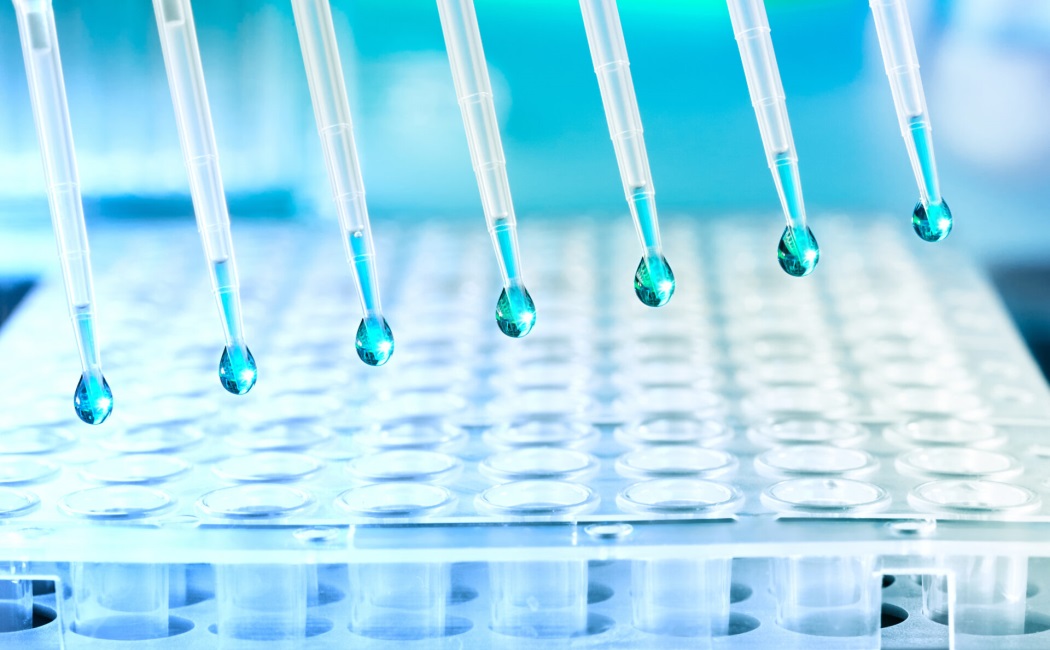
Robust workflow built for chemical genomic screening
29 January, 2026
Chemical genomic screening provides a powerful way to pinpoint which genes help an organism to survive (or falter) under a particular stressor, and to identify the functional roles played by these genes. For example, such screening tests can assess microbes for resistance to antibiotics, or to monitor their responses to new drug candidates.
However, there has been a lack of a standardized protocol for conducting these valuable tests, which has slowed progress. This gap has been addressed by a team at KAUST, in collaboration with scientists at the Universities of Birmingham and Newcastle in the United Kingdom. The collaboration combined established practices from multiple laboratories to create a coherent and broadly applicable screening workflow.
“Chemical genomic screening has traditionally been performed using lab-specific, ad hoc methods,” says Georgia Williams, who worked on the project under the supervision of Danesh Moradigaravand. “Differences in equipment, organisms, experimental design and data analysis meant that no single protocol captured the full process from start to finish. As a result, experiments have been difficult to reproduce across institutions,” she explains.