Measuring spatial differences in reef-building corals to guide future management
23 February, 2026
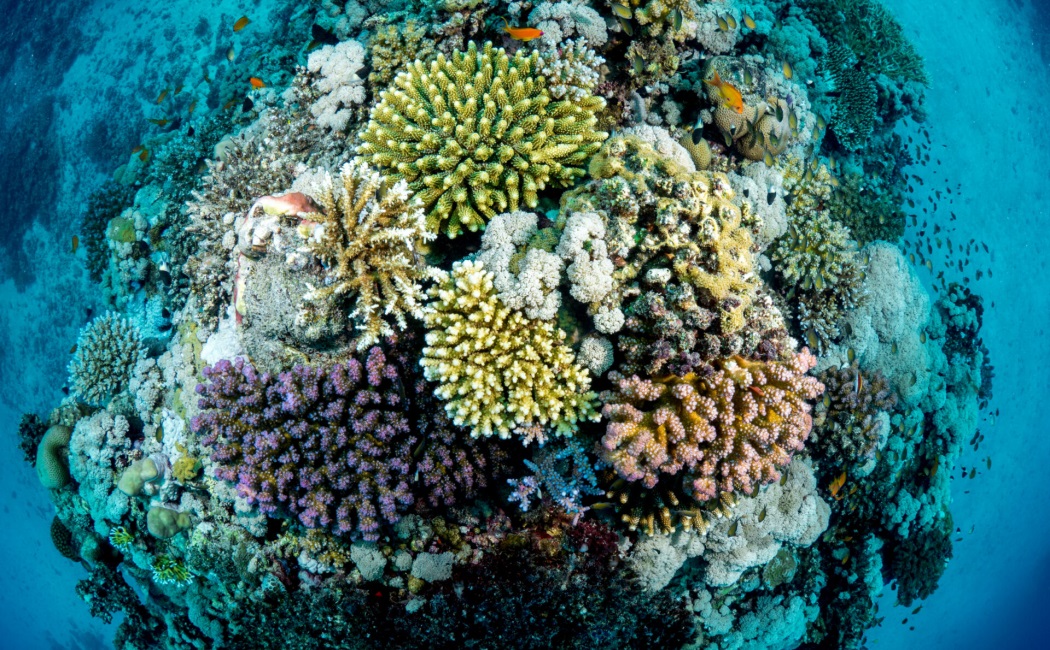
Coral reefs differ widely in the types of corals they host, how their populations are structured, and the extent of coral cover. These differences are influenced by environmental and biological factors, from local conditions to regional climate patterns. Now, KAUST researchers have determined baselines in spatial variability for eight reefs in the northeastern and central Red Sea, providing vital information for future management and conservation efforts.
“This study was conducted at a critical moment for coral reefs,” says Chiara Pisapia, who worked on the study with colleagues Eslam Osman and Maggie Johnson.
“Data was collected from November 2023 to January 2024, between two back-to-back mass bleaching events,” continues Pisapia. “These timely datasets will help scientists assess how much change, loss, or recovery follows subsequent bleaching events. This will improve understanding of the long-term consequences of climate stress on coral reefs.”