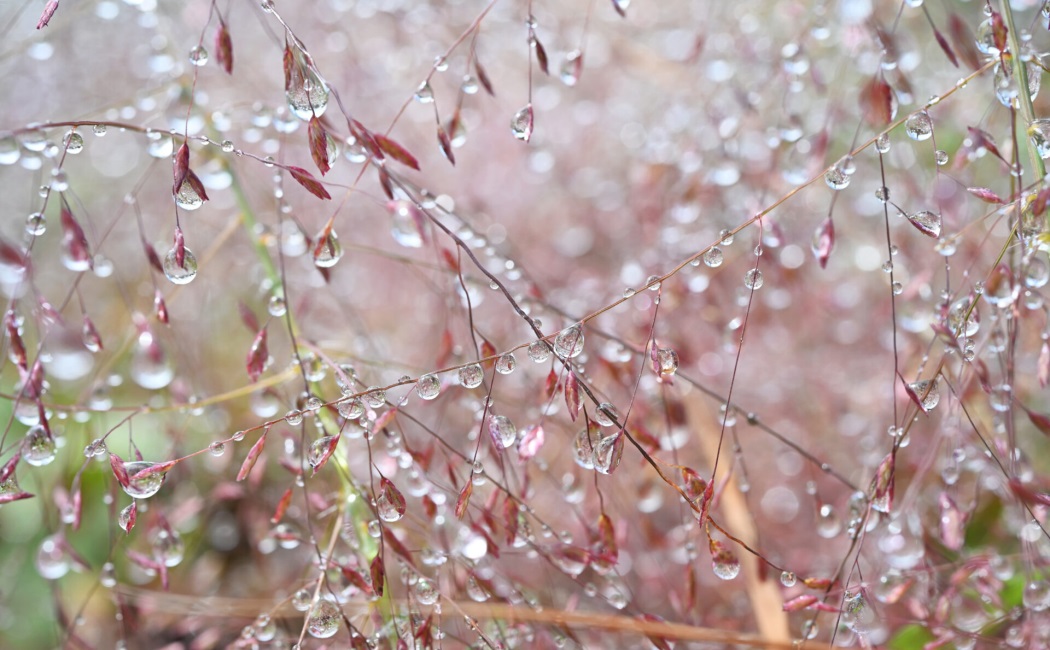
Water-repelling surfaces reveal surprising charging effects
09 March, 2026
Materials that repel water are used in countless applications, including industrial separation processes, routine laboratory pipetting, and medical devices. When water touches these surfaces, the interface where they meet tends to acquire a small electrical charge — an effect that is ubiquitous, yet poorly understood.
KAUST researchers have now studied this in detail and their findings could have broad implications.
“This is not a niche laboratory curiosity,” says Yinfeng Xu, a Ph.D. student who led the experimental work in Himanshu Mishra’s laboratory. “This phenomenon plays a role in environmental processes such as dew droplets and raindrops; in industrial operations involving sprays, condensates, or emulsions; and in modern microfluidic and liquid-handling systems used in laboratories worldwide.”