Plant diversity predicts resistance to grazing pressure on drylands
10 March, 2026
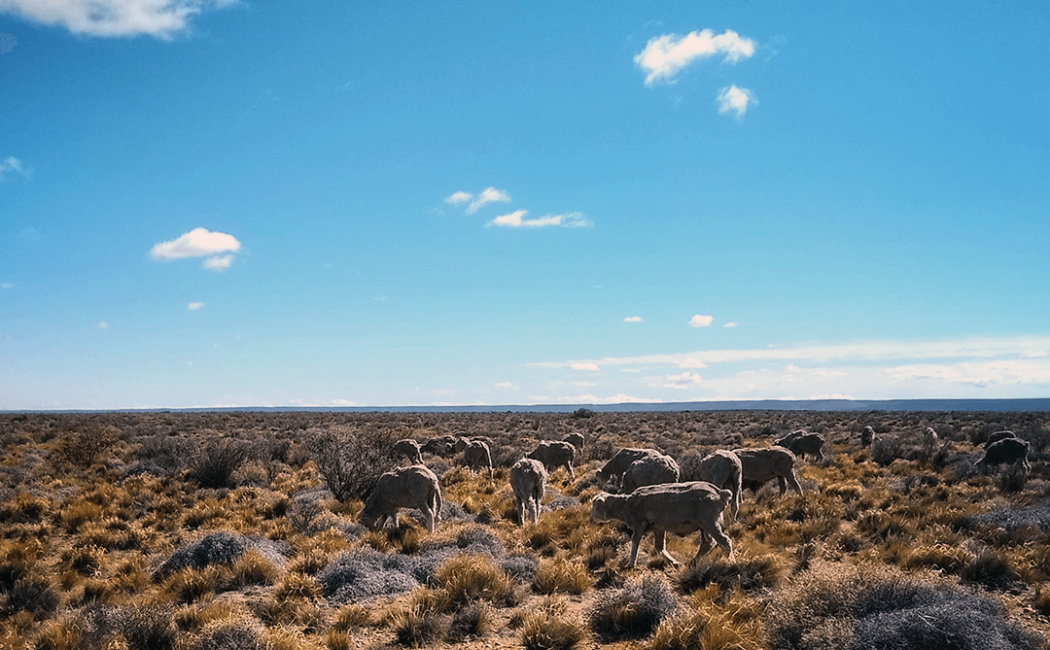
New research led by scientists at King Abdullah University of Science and Technology (KAUST) reveals that plant species diversity is a stronger predictor of how dryland ecosystems respond to grazing pressure than climate, soil conditions or livestock type. Where plant communities are more diverse, vegetation cover is more likely to be maintained as pressure increases.
Drylands support around half of global livestock production and sustain the livelihoods of close to a billion people, while also underpinning soil stability and carbon storage. As grazing pressure intensifies in many regions, understanding what enables these systems to remain productive without degrading is increasingly important.
Published in Nature Ecology & Evolution, the study has conducted one of the most comprehensive field assessments of grazed drylands to date, based on data from 73 sites across 25 countries spanning six continents. Using consistent field methods, the researchers compared vegetation under low and high grazing pressure across grasslands, shrublands, steppes and savannas.