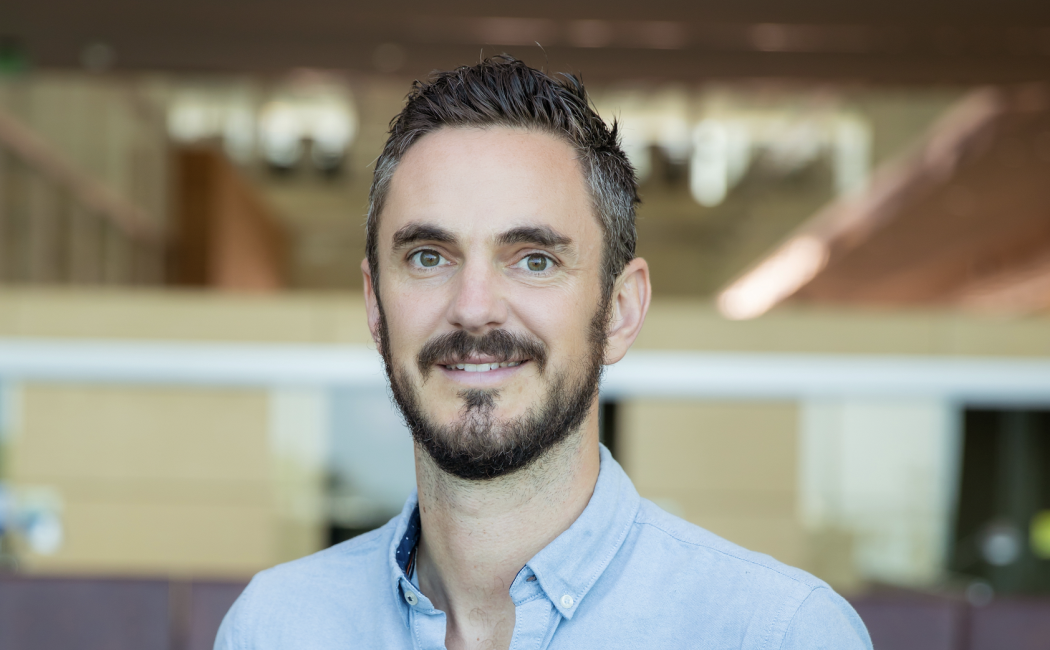
Thomas Crowther maps global links between biodiversity and human wellbeing
16 March, 2026
Natural biodiversity — fundamental to life on Earth — is often overlooked in resource management decisions worldwide. Professor Thomas Crowther is changing that.
His research at King Abdullah University of Science and Technology (KAUST) is quantifying critical thresholds between biodiversity loss and human wellbeing across Saudi Arabia and around the world. In doing so, the recently appointed professor of environmental science and engineering will determine how much nature must be protected to maximize food production, water security, human health, climate regulation, and economic stability globally.
“Our recent work is uncovering tangible linkages between rural poverty and ecological degradation. As poor communities are forced to degrade their natural resources, it entrenches poverty and drives a vicious feedback loop of degradation,” Crowther said. “In the process, the work is also revealing where wealth can be distributed in order to turn these vicious cycles of degradation into virtuous cycles of recovery.”
He added: “I have been so excited to see the level of ambition for impactful science at KAUST, and I do not know anywhere in the world with such commitment to finding the solutions that can drive us toward a sustainable future.”
A global leader in biodiversity science
Crowther, a British ecologist studying the forces shaping global biodiversity, earned his Ph.D. in ecology from Cardiff University in 2012. In 2017, he founded the Crowther Lab, an international network of research groups across five countries examining biodiversity’s role in regulating climate and human wellbeing. In 2021, the World Economic Forum named him a Young Global Leader for his efforts to protect biodiversity across the globe.
In 2022, Crowther launched Restor.eco, a platform supporting hundreds of thousands of community-led restoration projects worldwide. This global network is on track to successfully regenerate 170 million hectares of land. He is also founding co-chair of the Advisory Board for the United Nations Decade on Ecosystem Restoration.
He joined KAUST’s Biological and Environmental Science and Engineering Division in late 2025, drawn by the University’s ambitious, impact-driven research and its commitment to finding solutions that move humanity toward a more resilient and regenerative future. “I can think of no more suitable university for my research goals.”
Rethinking global ecological restoration
During his postdoctoral fellowship at the Yale Climate and Energy Institute, Crowther published the first global-scale model of forest density in 2015, revealing that the Earth contains approximately three trillion trees.
At the time, he said, most global models focused on planetary physics and chemistry, but his model “kicked off a wave” of biodiversity studies worldwide, with researchers exploring the patterns of microbes, plants, and animals. In 2019, Crowther’s career shifted when his laboratory revealed the scale of global forests could be increased by 33 percent — potentially establishing one trillion more trees across the planet.
This realization caught the attention of world leaders, he noted, prompting his efforts to campaign for ecological restoration efforts that support local and Indigenous communities, identifying ways for biodiversity to recover while improving livelihoods worldwide.
“Humans need nature for our survival,” Crowther said. “If we lose all nature, we lose food and water security across the globe. And yet, as humans continue to expand our footprint, we threaten these resources that we depend on. By calculating how much nature is necessary for maximizing food production and water security, our research will provide quantitative and tangible avenues for achieving a sustainable future.”
Building a global hub through KAUST
Continuing this science at KAUST will involve interdisciplinary collaboration, Crowther said, as his team works with vast networks of researchers across Saudi Arabia, the region, and the planet, characterizing global biodiversity and advancing projects to protect it.
“At KAUST, I hope to establish strong networks within the Kingdom to position the region as a leading hub for global biodiversity conservation and regeneration.”
Aligned closely with KAUST’s mission-driven approach to science, the newly appointed professor will draw on his expertise in plants, soil organisms, and global biogeochemical processes as he seeks insights that strengthen food and water security and support resilient desert agriculture in Saudi Arabia.
“Our research will provide tangible insights to show how, and where, biodiversity can help to maximize long-term food and water security at scale,” Crowther added.
التنوع الحيوي مفتاح رفاهية الإنسان: أبحاث جديدة يقودها توماس كروثر في كاوست
يُعدّ التنوع الحيوي الطبيعي عنصراً أساسياً لاستمرار الحياة على كوكب الأرض. وهو من الجوانب التي غالباً ما يُغفَل عنها في قرارات إدارة الموارد حول العالم. وفي هذا السياق، يعمل البروفيسور توماس كروثر، على تغيير هذا الواقع.
ويسعى كروثر من خلال أبحاثه في جامعة الملك عبدالله للعلوم والتقنية (كاوست) إلى تحديد المعايير القصوى بين فقدان التنوع الحيوي ورفاهية الإنسان في جميع أنحاء المملكة العربية السعودية وحول العالم. ومن خلال ذلك، سيحدد كروثر الذي عُيّن مؤخرًا في قسم العلوم والهندسة البيئية حجم الأراضي الطبيعية التي يجب حمايتها من أجل تحقيق أقصى قدر من الإنتاج الغذائي، والأمن المائي، وصحة الإنسان، وتنظيم المناخ، والاستقرار الاقتصادي على الصعيد العالمي.
وقال كروثر "تكشف أعمالنا الأخيرة عن روابط ملموسة بين الفقر في المناطق الريفية والتدهور البيئي. فعندما تُضطر المجتمعات الفقيرة إلى استنزاف مواردها الطبيعية، فإن ذلك يرسّخ الفقر، ويقود إلى حلقة مفرغة من التدهور. كما يكشف هذا العمل أيضاً عن المواقع التي يمكن توجيه الموارد إليها لتحويل هذه الحلقات المفرغة من التدهور البيئي إلى حلقات إيجابية من التعافي".
وأضاف "لقد أسعدني كثيراً مستوى الطموح في إجراء أبحاث علمية ذات أثر ملموس في كاوست، ولا أعرف مكاناً آخر في العالم يتمتع بمثل هذا الالتزام بإيجاد حلول مبتكرة يمكن أن تدفعنا نحو مستقبل مستدام".
رائد عالمي في علم التنوع الحيوي
حصل كروثر، وهو عالم بيئة بريطاني يدرس العوامل التي تشكّل التنوع الحيوي على مستوى العالم، على درجة الدكتوراه في علم البيئة من جامعة كارديف عام 2012. وفي عام 2017 أسّس مختبر كروثر (Crowther Lab)، وهو شبكة دولية من مجموعات بحثية تمتد عبر خمس دول، وتبحث في دور التنوع الحيوي في تنظيم المناخ ودعم جودة الحياة.
وفي عام 2021 اختار المنتدى الاقتصادي العالمي كروثر ضمن قائمة القادة العالميين الشباب تقديراً لجهوده في حماية التنوع الحيوي حول العالم. وفي عام 2022 أطلق منصة (Restor.eco) التي تدعم مئات الآلاف من مشروعات استعادة النظم البيئية بقيادة المجتمعات المحلية حول العالم. وتسير هذه الشبكة العالمية على مسار يمكّنها من استعادة نحو 170 مليون هكتار من الأراضي. كما يشغل كروثر منصب الرئيس المؤسس المشارك للمجلس الاستشاري لـعقد الأمم المتحدة لاستعادة النظم البيئية.
وقد انضم إلى قسم العلوم والهندسة البيولوجية والبيئية في كاوست في أواخر عام 2025، مدفوعاً بطموح الجامعة البحثي القائم على إحداث أثر ملموس والتزامها بإيجاد حلول تسهم في انتقال البشرية نحو مستقبل أكثر صمودًا وتجددًا. وقال "لا أستطيع أن أتخيّل جامعة أكثر ملاءمة لتحقيق أهدافي البحثية من كاوست".
إعادة التفكير في استعادة النظم البيئية عالمياً
خلال فترة زمالته البحثية لما بعد الدكتوراه في معهد ييل للمناخ والطاقة، نشر كروثر عام 2015 أول نموذج عالمي لكثافة الغابات، كشف أن كوكب الأرض يضم ما يقارب ثلاثة تريليونات شجرة. وفي ذلك الوقت، أوضح أن معظم النماذج العالمية كانت تركّز على فيزياء وكيمياء الكوكب، إلا أن نموذجه "أطلق موجة" من الدراسات العالمية حول التنوع الحيوي، حيث بدأ الباحثون في استكشاف أنماط انتشار الكائنات الدقيقة والنباتات والحيوانات.
وفي عام 2019 شهدت مسيرة كروثر البحثية تحولاً مهماً عندما كشف مختبره أن مساحة الغابات العالمية يمكن زيادتها بنسبة 33%، وهو ما قد يتيح زراعة تريليون شجرة إضافية حول العالم. وأشار إلى أن هذا الاكتشاف جذب اهتمام قادة العالم، ما دفعه إلى الدعوة إلى مبادرات لاستعادة النظم البيئية تدعم المجتمعات المحلية، وتحدد سبل استعادة التنوع الحيوي مع تحسين سبل العيش حول العالم.
وقال كروثر "يحتاج البشر إلى الطبيعة من أجل بقائهم. فإذا فقدنا الطبيعة بالكامل سنفقد أمن الغذاء والمياه في العالم. ومع ذلك، ومع استمرار توسّع النشاط البشري، فإننا نهدد هذه الموارد التي نعتمد عليها. ومن خلال حساب مقدار الطبيعة اللازم لتعظيم إنتاج الغذاء وأمن المياه، ستوفر أبحاثنا مسارات كمية وملموسة لتحقيق مستقبل مستدام".
بناء مركز عالمي عبر كاوست
أوضح كروثر أن مواصلة هذا النوع من الأبحاث في كاوست ستتطلب تعاوناً متعدد التخصصات، حيث يعمل فريقه مع شبكات واسعة من الباحثين في المملكة والمنطقة والعالم لرصد التنوع الحيوي العالمي وتعزيز المشاريع الهادفة إلى حمايته. وأعرب عن أمله في أن يساهم العمل في كاوست في إنشاء شبكات قوية داخل المملكة، مما يساعد على تحويل المنطقة إلى مركز رائد في الحفاظ على التنوع الحيوي واستعادته.
وبما يتماشى مع نهج كاوست العلمي القائم على الرسالة والأثر، سيستفيد الأستاذ الجديد من خبراته في دراسة النباتات والكائنات الحية في التربة والعمليات الأرضية الكيميائية الحيوية العالمية، سعياً إلى التوصل إلى رؤى تدعم أمن الغذاء والمياه، وتعزز الزراعة الصحراوية المستدامة في المملكة العربية السعودية.
وأضاف كروثر "ستوفر أبحاثنا رؤى ملموسة توضح كيف وأين يمكن للتنوع الحيوي أن يسهم في تعزيز أمن الغذاء والمياه على المدى الطويل، وعلى نطاق واسع".