Chlorophyll enzyme boosts heat tolerance in Arabidopsis plants
11 June, 2026
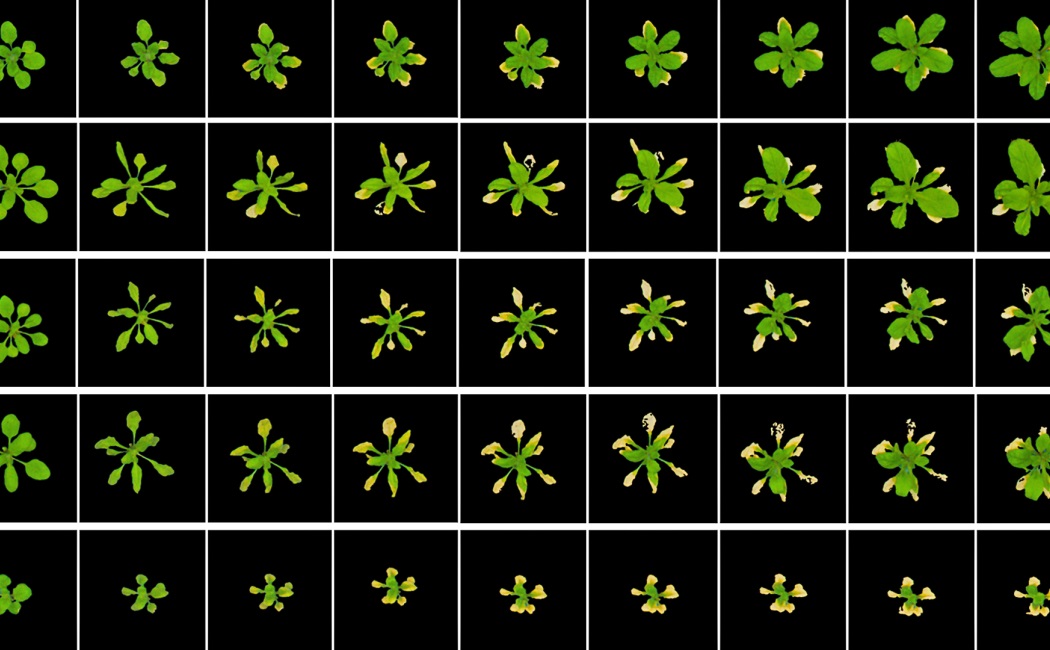
Plants cannot uproot and move to shelter as temperatures rise, meaning they must rely on internal mechanisms to survive heat stress. A specific chlorophyll-related enzyme has been shown to play a key role in increasing tolerance and protecting photosynthetic machinery in Arabidopsis thaliana plants exposed to high temperatures.
“When cells encounter stress, tiny condensates composed of proteins, RNA and metabolites quickly form. These ‘stress granules’ help protect key cellular components and mechanisms until the danger from stress has passed,” says Fatema Alquraish, who worked on the project under the supervision of Monika Chodasiewicz. Around five years ago, Chodasiewicz and colleagues from an international research team were the first to identify stress granules in chloroplasts (cpSGs) in Arabidopsis plants.