Scientists uncover hidden mechanism that may trigger coral death during marine heatwaves
14 June, 2026
As climate change fuels increasingly intense marine heatwaves around the world, coral reefs are facing unprecedented pressure to survive.
While coral bleaching is widely recognised as one of the most visible consequences of ocean warming, scientists have now identified another, largely hidden threat that strikes at the microscopic level. New research suggests that extreme heat can disrupt the tiny structures that help corals maintain a supply of oxygen, pushing them towards a critical physiological tipping point.
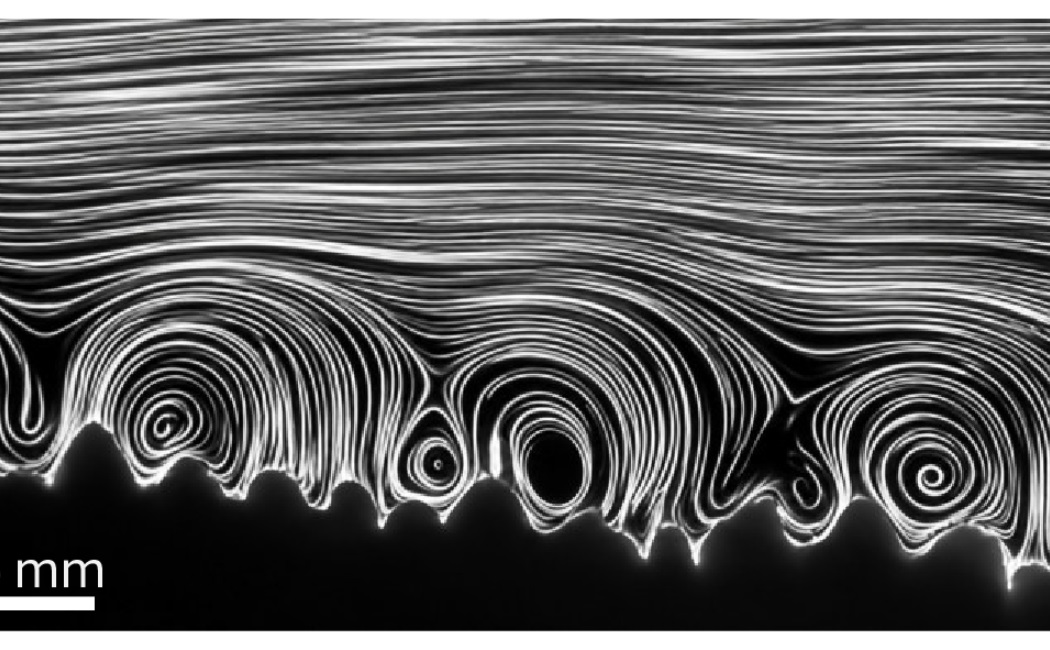
The international study focused on microscopic hair-like structures known as cilia, which blanket coral surfaces and beat in coordinated patterns to generate tiny water currents. These currents play a vital role in enhancing transport of oxygen and other essential solutes to coral tissues, particularly at night when corals cannot rely on photosynthesis for oxygen production.
Although scientists have long known that cilia help corals exchange oxygen with the surrounding seawater, little was understood about how this system responds to extreme heat stress.
To investigate, researchers combined high-speed imaging, particle image velocimetry and oxygen-sensitive nanoparticles to examine the reef-building coral Porites lutea under rising temperatures. This multidisciplinary approach allowed the team to track how ciliary motion, water flow and oxygen transport changed as conditions became increasingly stressful.
The results revealed a surprising sequence of events.
As temperatures increased to around 35°C, ciliary activity accelerated, increasing water flow across the coral surface. However, the boost was only temporary. Rising temperatures also increased the coral's metabolic demand for oxygen, and the enhanced ciliary motion could not keep pace. Oxygen-depleted water began to accumulate near the tissue surface, placing the coral under growing physiological stress.
The most dramatic changes occurred when temperatures climbed beyond a critical threshold.
At approximately 37°C, the researchers observed a complete collapse in ciliary coordination. The cilia lost synchrony and the microscopic vortical flows that normally help transport oxygen and remove waste products disappeared. Without these active transport mechanisms, oxygen exchange became severely limited, creating conditions that rapidly accelerated tissue deterioration and mortality.
“By studying coral physiology through a novel biophysical lens, we have identified ciliary beating as a key regulator of thermal tolerance,” said Dr. Max Dhillon, who conducted the collaborative experimental work as part of his PhD research in Professor Manuel Aranda's lab at KAUST.
“The collapse of ciliary coordination serves as an early physiological indicator of critical tipping points. It shows that thermal stress does not just cause bleaching; it fundamentally breaks down the active, mechanical transport systems corals rely on to breathe.”
The findings suggest that coral mortality during marine heatwaves may not be driven by bleaching alone. Instead, oxygen deprivation caused by the breakdown of these microscopic transport systems could play an important and previously overlooked role in determining whether corals survive extreme warming events.
By identifying a precise physiological tipping point, the research offers new insight into how corals respond to heat stress and could help improve predictions of reef vulnerability as climate change intensifies. Understanding these mechanisms may also support the development of more accurate models of coral resistance and resilience in a warming ocean.
The study was a collaborative effort involving researchers from KAUST, the University of Copenhagen and the University of Melbourne, bringing together expertise in marine biology, fluid dynamics, theoretical physics and nanotechnology to better understand the processes that underpin coral survival in a changing climate.
The full study is available in Science Advances: https://www.science.org/doi/10.1126/sciadv.aeg0950
Image: Cesar Pacherres
Synchronised movements of microscopic cellular structures (cilia) generate small vortices in the water above coral tissue surfaces.